
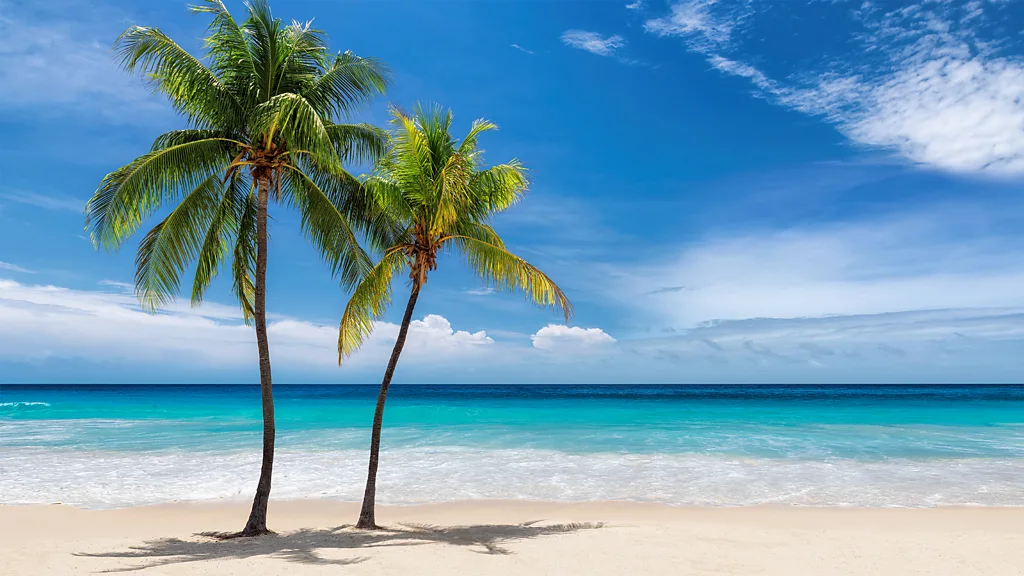
Famous for its white sand and gin-coloured waters, Jamaica is the quintessential Caribbean beach destination. But less than 1% of the island’s coastline is accessible to residents.
On a road trip across Jamaica’s northern coast back in 2014, I stopped for lunch at Mammee Bay Beach. The broad sweep of white sand lining an iridescent, turquoise-coloured sea stopped me in my tracks. But it was the local scene that I recall the most: fishermen’s boats docked after a day’s work and children playing in the sand.
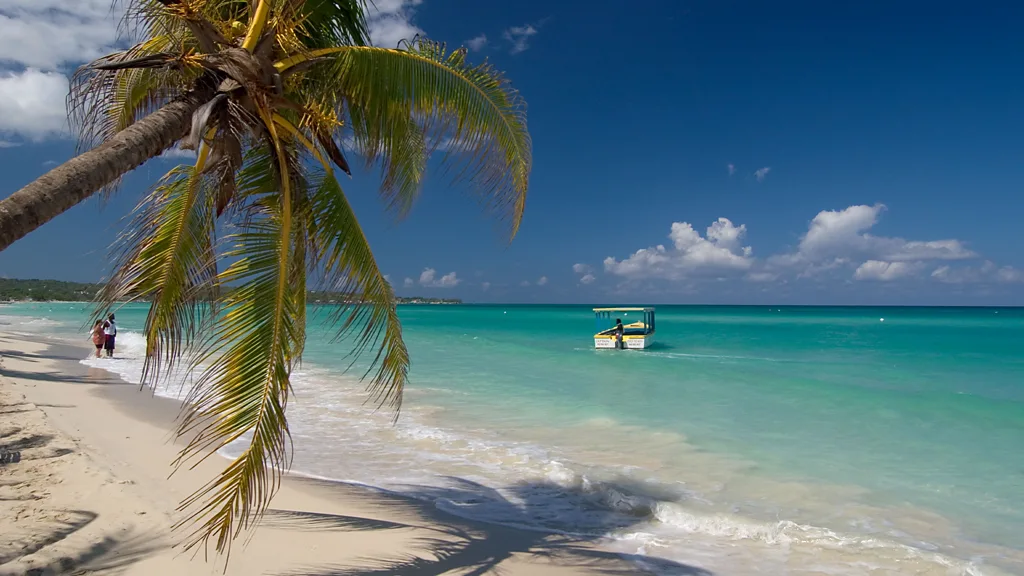
In 2020, that same sandy stretch was sold to a private developer to become a multimillion-dollar luxury resort and residential development. A cement wall went up and the beach was closed to the locals. Fishermen living in the nearby community of Steer Town were suddenly cut off from the waters where they had launched boats for generations. Access to the popular local swimming hole, the Roaring River, was also blocked when the government sold the surrounding land to the China Harbour Engineering Company to build private residences.
“How can you use a beach or a river for [hundreds] of years, and within a matter of days, you no longer have access to it?” said Devon Taylor, co-founder of the grassroots organisation Jamaica Beach Birthright Environmental Movement (JaBBEM).