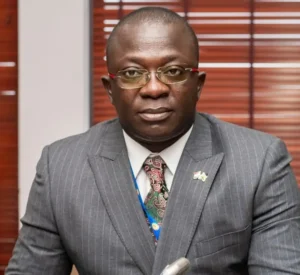

– The MP and the Bill: Hon. Ohene Kwame Frimpong, the Independent Member of Parliament for Asante Akim North, has introduced a Private Member’s Bill. This bill aims to amend the Political Parties Act, 2000 (Act 574), to establish a comprehensive campaign financing regime in Ghana.
Key Objectives of the Bill: The proposed amendment seeks to :
– Regulate the sources of political campaign funds.
– Introduce limits on contributions and expenditures.
– Establish a public funding framework for political parties.
– Strengthen oversight mechanisms to enhance transparency and accountability in Ghana’s electoral process.
– Specific Provisions: The bill includes several concrete proposals :
– Contribution Caps: Individual contributions would be capped at GHS 500,000 for presidential candidates and GHS 100,000 for parliamentary candidates.
– Expenditure Caps: Campaign expenditure would be capped at GHS 5 million for presidential candidates and GHS 500,000 for parliamentary candidates.
– Prohibition: Foreign and anonymous donations would be strictly prohibited.
– Public Funding: A Political Parties Development Fund, administered by the Electoral Commission, would be established, with funds allocated proportionally based on electoral performance.
– Oversight: Joint oversight would be provided by the Electoral Commission and the Office of the Special Prosecutor, with mandatory annual audits by the Auditor-General and public disclosure of reports.
– Sanctions: Non-compliance could lead to administrative sanctions, fines, and potential disqualification.
– Rationale Behind the Bill: Hon. Frimpong highlighted several issues necessitating this reform :
– Escalating Campaign Costs: The cost of contesting presidential elections is estimated at around USD 200 million, and parliamentary campaign costs rose by 59% between 2012 and 2016. This monetization of politics threatens democratic inclusivity and accountability.
– Exclusion of Marginalized Groups: High costs disproportionately exclude women, youth, and those with limited resources from meaningful political participation.
– Corruption and Vote Buying: The absence of financial regulation has encouraged corruption and vote-buying, as evidenced by recent allegations during the 2026 NPP Presidential Primaries and the NDC Ayawaso East Parliamentary Primaries.
– Weak Oversight: The current Political Parties Act, 2000, regulates party registration but lacks a legal framework for campaign financing, leading to no limits, no mandatory disclosures, and weak enforcement.
– Alignment with Global Best Practices: Frimpong noted that over 180 countries regulate political finance, citing models from Canada, France, Germany, and the United Kingdom that use similar frameworks to curb corruption and undue influence in politics.
The introduction of this bill is a significant step towards addressing the pervasive issue of money in Ghanaian politics and is expected to generate considerable debate.